

 See My Latest Article on HelloNation
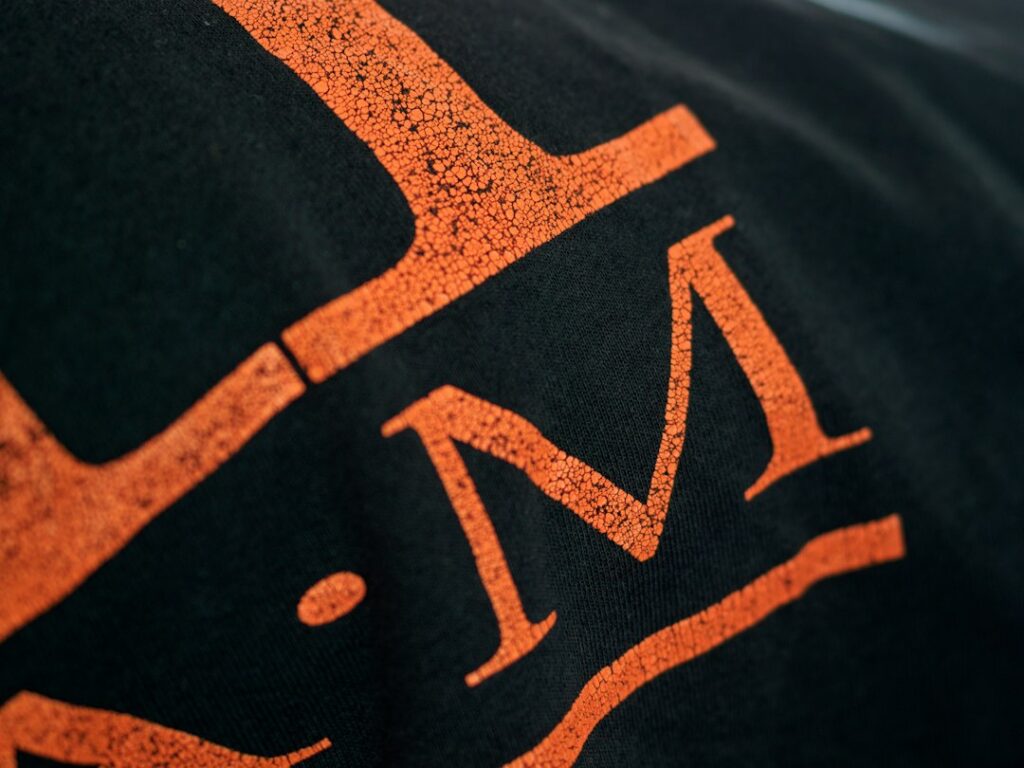
Cotton is one of the most common fabrics used in custom screen printing, but the ink choice still affects the shirt’s feel, appearance, durability, and care requirements. For most cotton garments, water-based ink and plastisol ink are the two primary options. Neither is universally best; the right choice depends on the garment color, artwork, desired texture, production method, and expected use.
What is the best overall ink for cotton?
For most general cotton screen-printing projects, plastisol ink is the most dependable choice. It produces strong, opaque colors, works well on both light and dark garments, and is relatively forgiving during printing.
Plastisol ink sits on top of the fabric rather than soaking deeply into the fibers. This creates the familiar slightly raised print found on many printed T-shirts. When properly cured, it can withstand repeated washing and regular wear.
Water-based ink may be the better choice when a softer, more breathable print is the priority. It absorbs into the cotton fibers, reducing the noticeable layer of ink on the surface. On lightweight shirts, premium cotton garments, and designs with a vintage or understated appearance, water-based printing can feel more natural.
A simple starting point is:
- Choose plastisol for dependable coverage, bright colors, and dark garments.
- Choose water-based ink for a softer hand and more breathable finish.
- Consider discharge ink for certain dark cotton garments when a soft, low-profile print is desired.
How does plastisol ink perform on cotton?
Plastisol is widely used because it provides consistent results on many cotton garments. It does not dry simply from exposure to air, which allows the screen to remain usable during a longer printing session. The ink is cured with heat so that it bonds properly to the fabric surface.
Its main advantages include:
- Strong color opacity, especially on black and other dark cotton shirts
- Reliable performance across different fabric weights
- Crisp edges for lettering, logos, and detailed graphics
- Good durability when the ink reaches the correct curing temperature
- Straightforward storage and handling compared with air-drying inks
The tradeoff is texture. A heavy plastisol print can feel thick, rubbery, or less breathable. This is more noticeable when a large area of ink covers the chest or back of a shirt.
For cotton garments used as uniforms, event shirts, school apparel, work clothing, or everyday casual wear, plastisol is often a practical choice because it balances appearance and durability.
Is water-based ink better for a soft cotton shirt?
Water-based ink is often the better option when comfort and a soft finish matter more than maximum opacity. Instead of forming a distinct layer on top of the fabric, it penetrates the cotton fibers. After curing, the print can feel close to the original fabric.
This makes water-based ink useful for:
- Lightweight cotton shirts
- Soft-fashion garments
- Minimalist artwork
- Large prints that would feel heavy in plastisol
- Designs where breathability is important
Water-based ink has limitations. It may appear less vivid on dark cotton unless the process is carefully controlled. Some formulas require special curing conditions, and the ink can dry in the screen if printing slows down. That makes preparation, humidity control, and process consistency especially important.
Seasonal humidity in Lexington, KY can affect how quickly water-based ink behaves during printing. A controlled workspace helps reduce drying in the screen and keeps the ink more predictable. This does not make water-based printing impractical, but it does make process control more significant.
What ink works best on black cotton?
For black cotton, opaque plastisol is usually the safest general-purpose choice. Black fabric absorbs or visually weakens many ink colors, so a high-opacity formula or an appropriate underbase may be needed to make the design look bright.
Water-based ink can also be used on black cotton, but the result depends heavily on the fabric, artwork, ink formula, and curing process. A water-based print may have a softer appearance but look more muted than the same design printed with opaque plastisol.
Discharge ink is another option for some dark cotton garments. It chemically lightens the dye in the fabric and replaces it with pigment, creating a soft print that becomes part of the fabric’s surface. However, results can vary because garment dyes are not all compatible with discharge chemistry. A test print is especially valuable before producing a large quantity.
What is discharge ink, and is it suitable for cotton?
Discharge ink is designed primarily for cotton and cotton-rich garments, especially darker fabrics. Instead of placing a thick layer of colored ink over the shirt, it removes or neutralizes the garment dye and deposits a new color in its place.
The typical result is:
- A very soft print
- Low surface buildup
- Good breathability
- A worn-in or vintage appearance
- Strong comfort on lightweight garments

Discharge printing is not suitable for every cotton shirt. Some dyes resist the process, and the final color can be influenced by the original garment color and fabric treatment. The printed area may also have a slightly different tone or appearance than expected.
Because of these variables, discharge ink is best selected for a specific garment and design rather than treated as a universal replacement for plastisol or water-based ink.
Does the fabric blend change the ink choice?
Yes. A shirt labeled “cotton” may contain polyester, rayon, or other fibers. The fiber content affects ink adhesion, color behavior, shrinkage, and the risk of dye migration.
For cotton-polyester blends, low-cure or bleed-resistant plastisol may be appropriate. Polyester dyes can migrate into the printed ink when exposed to excessive heat, creating unwanted discoloration. This issue is less common with 100% cotton but still worth considering when garments have unusual finishes or dark dyes.
Before selecting ink, check:
- Whether the garment is 100% cotton or a blend
- The color and darkness of the fabric
- Whether the cotton has been pre-shrunk
- The weight and texture of the material
- Whether the print will cover a small detail or a large area
- How the garment is expected to be washed and worn
A small test print can reveal problems that are not obvious from the garment label alone.
Does ink color affect durability and feel?
It can. Thick deposits of light-colored ink, particularly white ink on dark cotton, may feel heavier than a thin deposit of a darker color. Large solid areas also create more noticeable texture than fine lines or halftone artwork.
Durability depends on more than the type of ink. The print must be properly cured, and the garment must be washed reasonably. Excessive heat, harsh detergents, and repeated high-temperature drying can shorten the life of both the print and the cotton fabric.
For routine care, turning the garment inside out, using a mild detergent, and washing with cooler water can help preserve the printed surface. Air drying or using a lower dryer setting may also reduce cracking, fading, and fabric wear.
How should someone choose between the main cotton inks?
The best choice can usually be narrowed down by the desired result:
- For bright, durable printing on dark cotton: plastisol is generally the most practical option.
- For a soft, breathable feel: water-based ink is often preferable.
- For a soft print on selected dark cotton garments: discharge ink may work well after testing.
- For mixed-fiber garments: use an ink system suited to the blend and its dye behavior.
- For large printed areas: thinner water-based or discharge prints may feel more comfortable than heavy plastisol.
- For simple, reliable production: plastisol usually offers the widest margin for consistent results.
The phrase “best ink” should therefore be understood as “best match for the garment and intended result.” Cotton can accept several ink systems, but the fabric color, fiber content, artwork, curing process, and care routine all influence the final outcome.
For everyday printing needs in the local community, the most dependable general answer is plastisol. When the priority shifts toward a softer, more breathable, fabric-like finish, water-based or discharge printing may be worth considering, provided the garment and production conditions are compatible.