

 See My Latest Article on HelloNation
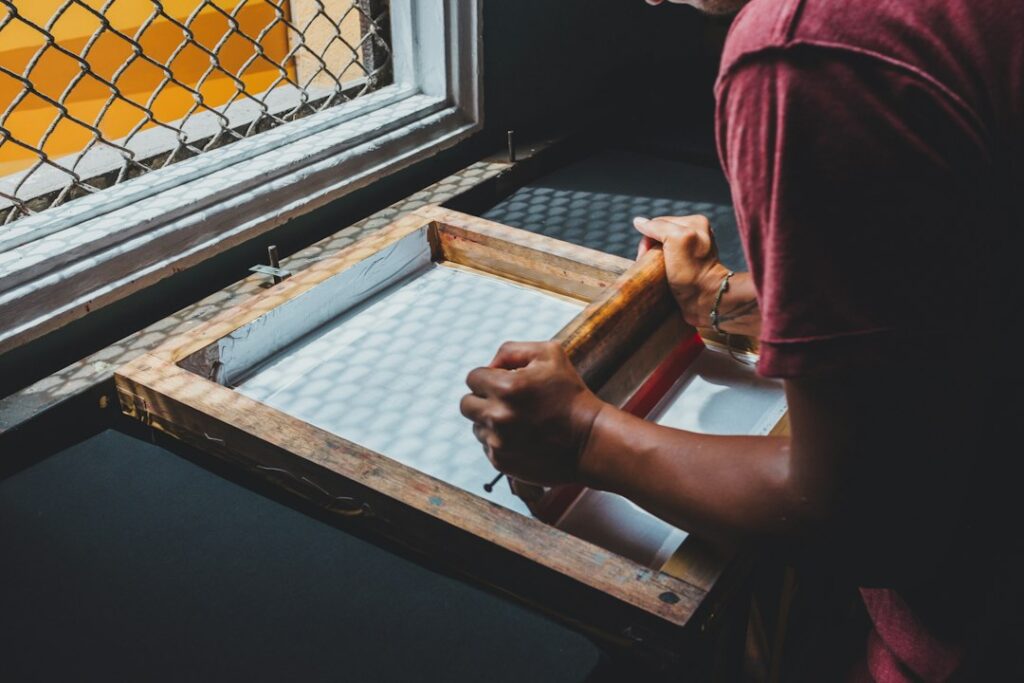
Custom screen printing can create long-lasting shirts, tote bags, posters, and event materials, but the process also uses fabric, ink, water, energy, and packaging. For residents of Lexington, KY, choosing more sustainable methods often starts with practical decisions about materials, quantities, washing, and disposal.
The goal is not to make every project impact-free. A more realistic approach is to reduce unnecessary waste, select lower-impact materials where suitable, and keep printed items useful for as long as possible.
What makes screen printing more sustainable?
Sustainable screen printing considers the full life of a printed item, from the blank garment and ink to cleanup, transportation, use, and disposal. A shirt that is worn for years may have a lower overall impact than a cheaper item that is discarded after one event.
Several parts of the process affect sustainability:
- The type and amount of fabric used
- Whether the garment is durable and likely to be worn repeatedly
- The ink chemistry and curing method
- Water and energy used during production and cleanup
- Packaging and shipping materials
- How leftovers, screens, and damaged items are handled
No single material or ink choice solves every environmental concern. The most responsible choice depends on the purpose of the project, the design, the quantity needed, and how the finished items will be used.
Are water-based inks more environmentally friendly?
Water-based inks can be a lower-impact option for some projects because they generally contain fewer plastic-forming materials than traditional plastisol inks. They absorb more into the fabric and can produce a softer feel, especially on suitable cotton garments.
However, “water-based” does not automatically mean harmless or waste-free. These inks still require proper storage, cleaning, and disposal. Some formulas also need careful temperature control during curing, and they may not perform equally well on every fabric color or synthetic material.
Water-based inks may be especially suitable when:
- A soft, less surface-coated print is desired
- The design uses lighter colors or natural-fiber garments
- The printer can manage drying and curing requirements correctly
- Cleanup water and unused ink are handled according to product guidance
Traditional plastisol inks can also be used responsibly when applied efficiently and cured correctly. A durable print that prevents a garment from being replaced quickly may have practical environmental value. Ink selection should be based on both chemical characteristics and expected garment life.
Which clothing materials are better choices?
The most sustainable garment is usually one that is durable, comfortable, and likely to be used often. A poorly made shirt made from a preferred fiber may create more waste if it stretches, pills, or loses its shape after a few washes.
Cotton, recycled polyester, hemp, and blended fabrics each have different advantages and limitations. Organic cotton can reduce reliance on certain agricultural inputs, while recycled fibers can make use of existing plastic materials. Synthetic fabrics may be useful for athletic clothing because they dry quickly and resist wear, but they are still plastic-based and can release small fibers during washing.
Before selecting a garment, consider:
- Whether the fabric suits the activity and seasonal conditions
- Whether the item will be worn beyond a single event
- Whether the color and cut are likely to remain useful
- Whether the material can be repaired, reused, or donated later
- Whether the garment requires special washing or drying
For community events, schools, clubs, and family gatherings, neutral designs and practical garment styles may extend the useful life of the clothing. A shirt that can be worn casually after an event is less likely to become immediate waste.
How can a project reduce fabric and ink waste?
Accurate planning prevents waste before printing begins. Ordering substantially more garments than needed creates surplus, while ordering too few can lead to rushed replacements and additional shipping.
A simple quantity plan can include:
- A confirmed attendance or distribution list
- A small allowance for size exchanges or printing errors
- A realistic estimate of future use
- A plan for unused garments and leftover printed pieces
Design choices also matter. Large, heavily layered prints use more ink and may require more energy to cure. A smaller design with fewer colors can reduce material use while still communicating the necessary information.
Screen preparation should be handled carefully as well. Reusing screens for suitable future designs, extending screen life, and reclaiming them with appropriate methods can reduce the need for new mesh and frames. Screens should not be discarded simply because a project has ended if they can be cleaned and used again.
Does local production reduce environmental impact?
Keeping production and distribution reasonably close to the people using the items can reduce transportation distance, but location alone does not determine sustainability. A locally produced item that is over-ordered, poorly made, or quickly discarded may have a greater impact than a durable item shipped from farther away.
For households and organizations in Lexington, planning projects around local pickup or consolidated delivery can reduce unnecessary individual trips. Combining several items into one planned distribution is generally more efficient than making repeated trips for small quantities.
Packaging is another overlooked factor. Reusable bins, paper-based packing materials, and right-sized packages can reduce waste. Plastic mailers and excessive wrapping are not always necessary for short-distance distribution.

How should printed garments be washed?
Care during use can significantly extend the life of a printed garment. Washing and drying account for repeated energy and water use, while harsh treatment can cause both fabric and ink to deteriorate.
Helpful practices include:
- Wash garments only when needed
- Use cool or warm water rather than very hot water
- Turn printed shirts inside out before washing
- Choose a gentle cycle when appropriate
- Avoid overloading the washer
- Air-dry when practical, especially during mild weather
- Use a lower dryer temperature if machine drying is necessary
Turning a garment inside out reduces friction against the printed surface. Excessive heat can contribute to fading, cracking, shrinking, or fabric damage, depending on the garment and ink system.
Seasonal weather in Lexington can make air-drying practical during portions of spring, summer, and early fall. During colder or wetter periods, efficient machine drying and properly sized loads can help reduce unnecessary energy use.
What should happen to leftover or damaged items?
Unused blanks should be stored in a clean, dry place and reserved for future projects when possible. Excess printed garments may be useful for later events, community distribution, repair projects, or textile reuse.
Damaged items should not automatically go into the trash. Depending on their condition, they may be suitable for:
- Household cleaning cloths
- Craft or sewing projects
- Donation through an accepted textile-recovery program
- Fabric recycling, where available
- Composting only when the item is made from appropriate untreated natural fibers and local rules allow it
Printed fabrics are not always accepted in ordinary recycling bins. The ink, blended fibers, labels, and garment construction can make sorting difficult. Local disposal guidance should be checked before placing textiles in curbside containers, since recycling rules vary by community and material type.
Are recycled or biodegradable packaging materials always better?
Not necessarily. Packaging should be evaluated by how much is used, whether it protects the item, and whether the material can realistically be reused or processed after disposal.
A recyclable package that is contaminated or not accepted locally may not provide the expected benefit. Compostable packaging can also require commercial composting conditions that are not available through ordinary household waste systems.
For small projects, reducing packaging is often more effective than replacing every material with a specialized alternative. Reusable totes, paper inserts that are actually needed, and consolidated distribution can help avoid excess material without creating new disposal complications.
What is a practical sustainable plan for a small project?
A lower-waste screen printing plan can be straightforward:
1. Order a durable garment in a style people are likely to keep wearing.
2. Confirm quantities before printing rather than relying on broad guesses.
3. Use a design that communicates clearly without unnecessary ink layers.
4. Ask whether water-based or other lower-impact inks are suitable for the fabric and artwork.
5. Consolidate delivery and use minimal protective packaging.
6. Wash printed garments gently and avoid excessive heat.
7. Store, reuse, donate, or properly recover leftover items.
The most useful measure is not whether a project uses a particular label such as “green” or “eco.” It is whether the choices reduce waste, extend product life, and match the real conditions of the project. For local households, schools, teams, and community groups, thoughtful planning usually provides the clearest path toward more responsible custom screen printing.