

 See My Latest Article on HelloNation
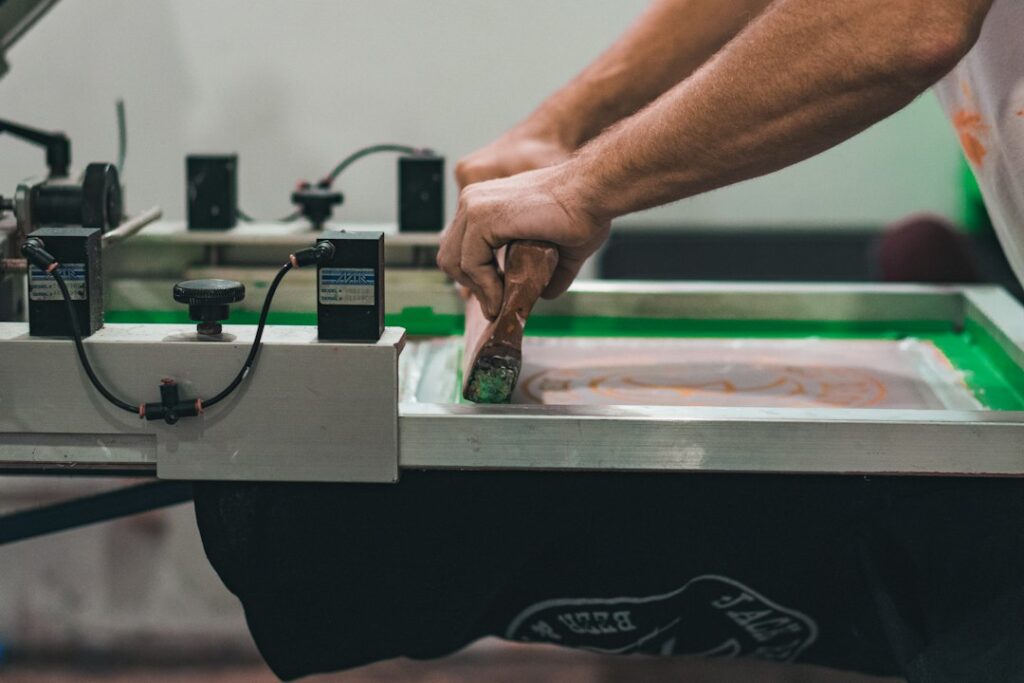
Printed garments can last for years when they are washed, dried, stored, and worn with the decoration in mind. Direct-to-Film (DTF) printing is a modern method that applies a thin, flexible design to fabric, so proper temperature, friction, and chemical control help protect both the print and the garment.
How should a DTF-printed shirt be washed?
Turn the shirt inside out before washing, then use cold or cool water and a mild detergent. A gentle or normal cycle is usually suitable, but avoid very hot water, harsh bleach, and abrasive cleaning products.
Washing inside out reduces direct rubbing between the printed surface and other garments, the washer drum, zippers, and rough fabric. It also helps limit fading caused by repeated exposure to detergent and agitation.
For the best results:
- Wash with similar colors.
- Avoid chlorine bleach and strong stain removers unless the care label specifically allows them.
- Do not overload the washer.
- Keep garments with zippers, hook-and-loop fasteners, or rough hardware separate when possible.
- Follow the garment manufacturer’s care label if it is more restrictive.
Cold water is especially practical for households in Lexington, where seasonal temperature changes can lead people to wash a wide range of clothing throughout the year. Cooler cycles also place less stress on fabric fibers and usually use less energy.
Can printed apparel go in the dryer?
Yes, but high heat can shorten the life of both the garment and its decoration. Use a low- or medium-heat setting, and remove the item soon after the cycle ends to reduce wrinkling.
Air-drying is the gentlest option. A shirt can be hung on a sturdy hanger or laid flat, with the printed side kept away from direct heat. Avoid placing the design against a hot dryer surface, radiator, heating vent, or other concentrated heat source.
Do not iron directly over a DTF design. If ironing is necessary, turn the garment inside out or place a clean cloth between the iron and the printed area. Use the lowest temperature that safely removes wrinkles from the fabric.
Why is high heat hard on printed designs?
Excessive heat can soften, distort, or weaken the adhesive layer that bonds a DTF transfer to fabric. Repeated high-temperature drying may also shrink the shirt, stretch the material around the design, or create uneven stress along the edges of the print.
A design that appears slightly raised or flexible is not necessarily defective. DTF transfers are designed to move with the fabric, but they still need protection from excessive heat, sharp folding, and repeated abrasion.
Never peel at a loose edge. If a design begins separating, pulling on it can enlarge the damaged area. Continuing to wash and dry the garment under lower-stress conditions may prevent additional wear, but a separated section is difficult to restore at home.
How should printed sweatshirts, fleece, polos, and outerwear be handled?
Thicker apparel needs extra attention because it can retain more moisture and take longer to dry. Sweatshirts and fleece should be washed inside out, dried on low heat, and removed promptly rather than left compressed in a warm machine.
Polos may have collars, buttons, or textured fabric that rub against a design during washing. Closing buttons and turning the garment inside out can reduce that friction.
Caps and outerwear should generally be cleaned according to their construction. Structured caps may lose their shape in a washing machine, while jackets can contain coatings, insulation, or water-resistant materials that require specialized care. A printed area should not be scrubbed aggressively with a brush.
For garments with several materials—such as a fleece-lined jacket with a printed panel—follow the most sensitive care instruction on the label.
What causes printed designs to crack, peel, or fade?
Normal wear is only one cause. Frequent exposure to heat, rough washing, strong chemicals, and stretching can accelerate damage.
Common contributors include:
- Washing in hot water.
- Drying at high heat.
- Folding the garment while the design is still warm.
- Scrubbing the printed surface.
- Stretching the fabric across the design.
- Storing clothing in direct sunlight.
- Wearing a backpack, seat belt, or equipment that repeatedly rubs the same area.
- Using fabric softener or treatment products that leave a heavy coating.

Fading can also result from the garment itself wearing out. If the fabric becomes thin, pilled, or sun-bleached, the design may appear older even when the printed layer remains intact.
How should printed garments be stored?
Store clean, fully dry garments in a cool, dry place away from direct sunlight. Folding is acceptable, but avoid sharp creases through a large design for long periods. For delicate or oversized graphics, hanging the garment may reduce permanent folding pressure.
Do not store damp clothing in a hamper for several days. Moisture can create odors, encourage mildew, and weaken some fabrics. This matters during humid summer weather and during periods when air conditioning or limited ventilation slows drying inside the home.
Keep garments away from hot attics, damp basements, and areas where they may be exposed to condensation. A breathable storage container is preferable to a tightly sealed plastic bag for long-term storage.
Is it safe to use stain remover on the printed area?
Treat stains promptly, but apply cleaner carefully. Blot rather than scrub, and test a small hidden area first if the garment’s care label permits stain treatment.
Avoid soaking the printed surface in strong solvents, harsh degreasers, or concentrated bleach. A mild detergent diluted with water is generally less aggressive than a heavy-duty chemical product. Work from the back of the fabric when possible so the stain moves away from the printed layer instead of deeper into it.
Grease, paint, ink, and adhesive stains can require different treatments. Some household remedies that work on plain cotton may damage a transfer, discolor the fabric, or leave a visible ring.
How long should a well-maintained printed garment last?
There is no single lifespan because durability depends on the garment fabric, design size, printing materials, washing frequency, and daily use. A shirt worn occasionally and washed gently may remain presentable for many years. A work shirt washed several times each week will experience more friction and heat.
Care should match the garment’s purpose. T-shirts, polos, sweatshirts/fleece, caps, and outerwear may all carry printed designs, but they do not receive the same amount of stress. A shirt worn under a backpack or uniform layer may show localized wear faster than a garment used casually.
The same practical mindset applies to other printed items used by households and organizations, including business cards, postcards, brochures, flyers, labels & magnets, stationery, presentation folders, invitations, checks, notepads, booklets, rack cards, mailing materials, EDDM, direct mail, dynamic direct mail, postcards with variable data, signs, banners, posters, yard signs, window graphics, vehicle graphics, promotional pens, drinkware, bags, plaques & awards, and corporate gifts. Each item lasts longer when it is protected from the conditions it was not designed to withstand.
For apparel, the most reliable routine is simple: wash inside out, use cool water, limit friction, dry with low heat or air, and keep irons and harsh chemicals away from the design.