

 See My Latest Article on HelloNation
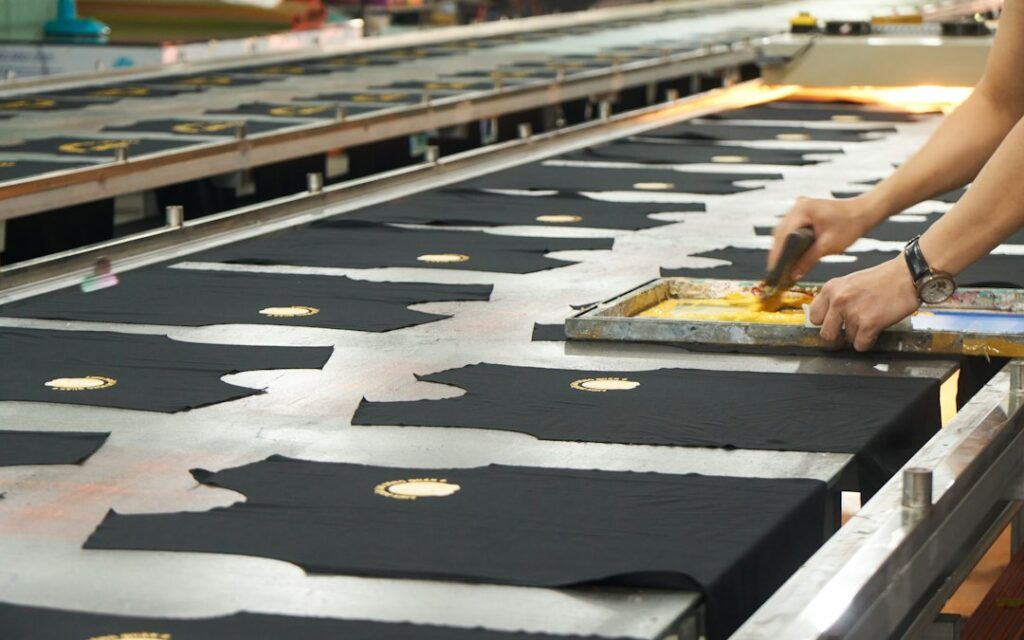
A well-made screen printed shirt can usually withstand 40 to 60 washes before noticeable fading, cracking, or fabric wear becomes a concern. Some shirts remain presentable beyond 60 washes, while poorly cured ink, rough washing habits, or low-quality fabric can cause damage after only a few cycles.
The number of washes is not a fixed guarantee. Shirt material, ink type, printing quality, water temperature, detergent, drying method, and frequency of wear all affect the result.
What is a reasonable lifespan for a screen printed shirt?
Most everyday screen printed shirts should maintain a usable appearance for several years when washed carefully. A shirt worn once a week may last much longer than one worn several times each week.
The printed design may show gradual changes before the shirt itself becomes unusable. Common signs of aging include:
- Slight fading of bright colors
- Fine cracks in the ink
- A rougher or thinner print surface
- Peeling caused by poor adhesion
- Fabric thinning around the collar, seams, or underarms
A shirt may still be comfortable and wearable even after the design begins to look older. In many cases, the fabric wears out before a properly printed design completely fails.
Why do some printed shirts last longer than others?
The durability of a printed shirt depends heavily on how the garment and ink were handled before it reached the washer.
Ink curing is one of the most important factors. Screen printing ink must reach the proper curing temperature so it bonds correctly with the fabric. If the ink is under-cured, the image may crack, fade, or wash out early. A print that was cured properly can remain flexible and attached through many wash cycles.
The type of fabric also matters. Cotton shirts generally absorb ink well, but they may shrink or develop surface wear over time. Blended fabrics can resist shrinking but may require specific ink formulations for reliable adhesion. Dark garments often use a base layer of ink beneath the visible colors, which can make the print feel thicker.
Print size and design style affect durability, too. Large, solid areas of ink may show cracking more easily than smaller designs or prints with intentional gaps. Fine details can disappear gradually if the shirt is exposed to repeated abrasion.
How should a screen printed shirt be washed?
The safest routine is to wash the shirt inside out in cold or cool water using a mild detergent. This reduces direct friction between the design and other garments while limiting heat-related stress.
A practical care routine includes:
- Turn the shirt inside out before washing.
- Use cold water or the lowest temperature suitable for the load.
- Choose a gentle or normal cycle rather than a harsh heavy-duty setting.
- Avoid bleach unless the garment label specifically allows it.
- Keep the shirt away from rough items such as clothing with metal hardware.
- Do not overload the washer.
Inside-out washing does not prevent all fading, but it protects the printed surface from rubbing against the washer drum and other garments. This is especially helpful for soft cotton shirts and designs with large printed areas.
Is the dryer bad for screen printed clothing?
High heat is one of the most common causes of premature wear. A dryer can contribute to shrinkage, fading, cracking, and loss of softness in both the fabric and the print.
Air-drying is the gentlest option. If a dryer is necessary, use a low-heat or delicate setting and remove the shirt while it is still slightly damp. Hanging the shirt afterward can finish the drying process without prolonged exposure to heat.
Avoid placing a hot iron directly on the printed design. If ironing is needed, turn the garment inside out or place a clean cloth between the iron and the print. Excessive heat can soften the ink and cause it to stick, flatten, or transfer.
Lexington’s seasonal changes can also affect laundry habits. During humid summer weather, clothes may take longer to air-dry indoors, which can tempt households to use higher dryer settings. Lower heat and adequate airflow are generally safer than using intense heat for a shorter period.
Does washing a printed shirt in hot water make it fade faster?
Usually, yes. Hot water can accelerate color loss and may weaken the connection between ink and fabric, particularly when combined with strong detergent and repeated agitation.
Warm water is not always immediately destructive, but frequent hot washing creates more stress than cold washing. It can also cause cotton garments to shrink, making the print appear distorted even if the ink itself remains attached.
Cold washing is generally sufficient for normal household dirt. Heavily soiled garments may need a warmer cycle, but turning the shirt inside out and selecting a moderate setting can still reduce unnecessary wear.
Can a screen printed shirt be washed with other clothes?
Yes, but sorting the load carefully helps protect the design. Wash printed shirts with similarly colored, relatively smooth garments. Avoid washing them with towels, rough denim, clothing with exposed zippers, or items with hook-and-loop fasteners.
New dark shirts may release excess dye during their first few washes. Washing them separately or with similar colors can reduce the chance of color transfer. A printed design may appear faded when the actual problem is dye loss from the surrounding fabric.

Do not use fabric softener excessively. It may leave a coating on fibers and can affect the feel or appearance of some printed garments. The care label should take priority if it gives different instructions.
What causes cracking or peeling after only a few washes?
Early cracking or peeling usually points to a combination of printing and care issues. Possible causes include:
- Ink that was not fully cured
- Poor compatibility between ink and fabric
- Excessive dryer heat
- Frequent washing with the garment right-side out
- Strong chemical products
- Aggressive mechanical rubbing
- A brittle ink layer applied too heavily
Minor cracking is not always a sign that the shirt is ruined. Some water-based and specialty prints are designed to feel soft and may change slightly as the fabric flexes. Peeling, flaking, or ink lifting away from the fibers is more serious and often indicates an adhesion problem.
How can someone tell whether the print is still in good condition?
Look at the design after the shirt has dried completely. A healthy print should remain attached across the image, with no broad areas lifting from the fabric. It may feel slightly different from the surrounding material, but it should not shed flakes or leave residue.
Gently stretching the fabric can help reveal early problems. A flexible print may move with the shirt without splitting. If the ink forms deep cracks, separates at the edges, or feels unusually stiff, the design may be nearing the end of its visual lifespan.
The fabric should also be inspected. A print can remain intact while the shirt becomes thin, misshapen, or worn around high-friction areas. In that situation, replacing the garment may be more practical than trying to preserve the design.
How many washes should a shirt withstand before there is a problem?
As a general guide:
- 10 to 20 washes: A properly made shirt should usually look close to new.
- 30 to 50 washes: Minor fading or softening may become visible, especially with frequent drying.
- 50 to 60 washes: Noticeable wear may appear, but the shirt can still look good if it was carefully maintained.
- More than 60 washes: Continued use is possible, though fading, cracking, fabric thinning, or shrinkage becomes increasingly likely.
These ranges describe ordinary home laundering, not industrial washing or repeated exposure to harsh chemicals. A shirt washed gently and air-dried may exceed them, while one exposed to high heat and heavy abrasion may fall short.
For local households, the most reliable approach is simple: wash printed shirts inside out, use cool water, limit high heat, and avoid rough laundry partners. Those habits protect both the design and the garment long after the first few washes.