

 See My Latest Article on HelloNation
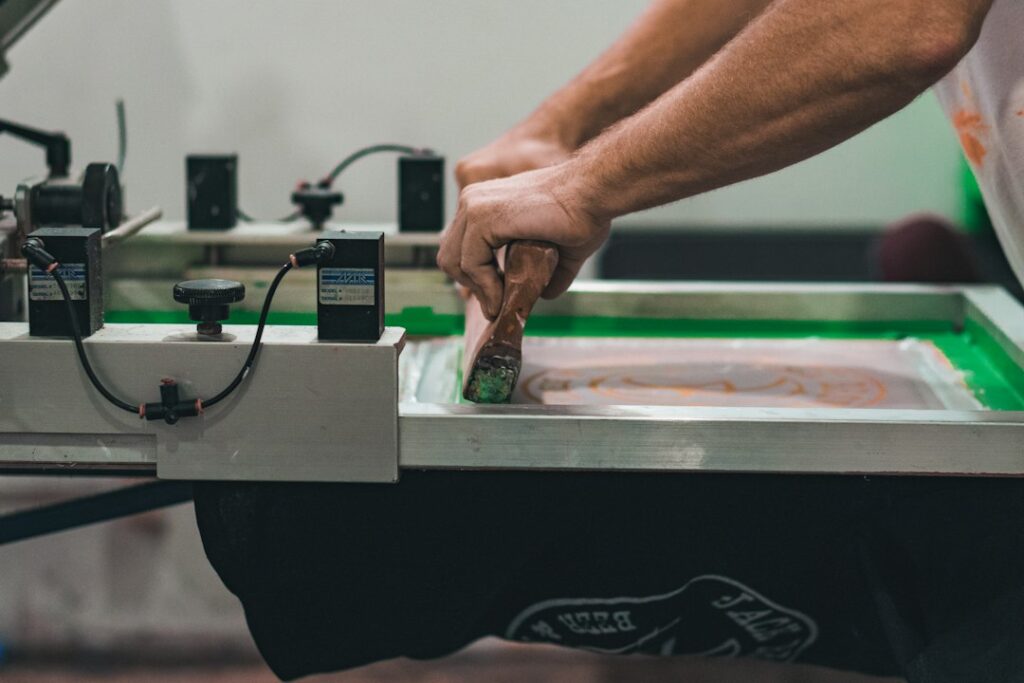
A successful screen-printed shirt starts with the garment, not the artwork. Fabric type, weight, color, fit, sizing, and intended use all affect how the finished design looks, feels, and holds up after washing.
For residents ordering shirts for family events, school activities, community groups, work crews, clubs, or personal projects, choosing the right blank shirt can prevent common problems such as uneven ink coverage, excessive shrinking, poor color contrast, and uncomfortable fits.
What fabric works best for screen printing?
Cotton is usually the easiest fabric to screen print because it absorbs ink consistently and provides a stable surface. Ring-spun cotton often feels smoother than basic open-end cotton, which can produce a softer shirt and cleaner-looking print.
Several common fabric choices are available:
- 100% cotton: A dependable option for most designs, especially when a natural feel and strong ink coverage are desired.
- Cotton-polyester blends: Lighter, softer, and often more resistant to shrinking, but they may require special handling to prevent dye migration.
- Tri-blends: Usually made from cotton, polyester, and rayon. They are soft and lightweight, though the fabric can be thinner and less opaque.
- 100% polyester: Useful for athletic or moisture-wicking apparel, but it requires inks and curing methods designed for synthetic fibers.
For everyday shirts, cotton or a cotton-rich blend is often the simplest choice. Performance fabrics can work well, but they should not be treated exactly like standard cotton garments.
Should a shirt be lightweight, medium-weight, or heavyweight?
Shirt weight affects comfort, appearance, durability, and how the design sits on the fabric.
Lightweight shirts are useful for warm-weather events and layered outfits. They tend to feel breathable but may show more wrinkles, body shape, or underlying colors. Thin fabric can also make large printed areas feel heavier or stiffer.
Medium-weight shirts provide a practical balance for most uses. They are substantial enough for regular wear while remaining comfortable during spring, summer, and early fall conditions common in Lexington, KY.
Heavyweight shirts generally feel more structured and durable. They may be preferable for workwear, outdoor activities, or designs that benefit from a firm printing surface. The tradeoff is additional warmth and a less relaxed drape.
A heavier shirt is not automatically better. The right weight depends on whether the garment will be worn indoors, outdoors, during physical activity, or as a casual everyday layer.
How does shirt color affect the printed design?
Garment color can change both the appearance of the ink and the printing process required.
Light-colored shirts usually provide the most predictable results. Dark text and saturated artwork tend to appear clearly without needing a base layer beneath the design.
Dark shirts often require a white underbase so lighter inks remain visible. Without an underbase, colors may appear duller or blend visually with the garment. This is especially noticeable with yellow, pale blue, pink, and other light shades.
Bright or heavily dyed shirts can also create color-shifting problems. Some dyes may migrate into the printed ink during curing, causing a light design to develop a gray, pink, or tinted cast. Polyester garments are particularly associated with this issue, although certain cotton garments can also present challenges.
For dark or brightly colored shirts, it is helpful to confirm that the artwork and ink approach are compatible with the fabric before finalizing the order.
Is pre-shrunk cotton actually necessary?
Pre-shrunk garments are not completely shrink-proof, but they are generally more predictable than untreated cotton. Cotton fibers can contract during washing and drying, changing the shirt’s fit and potentially affecting the placement of a large print.
Shrinkage may occur unevenly. A shirt can become shorter, narrower, or slightly twisted after repeated washing. This matters more for fitted garments and large designs placed close to seams or the bottom hem.
To reduce surprises:
- Check the manufacturer’s stated shrinkage information.
- Wash and dry shirts according to the care label.
- Avoid assuming that every cotton shirt will shrink by the same amount.
- Compare size charts rather than relying only on small, medium, or large labels.
If shirts will be distributed to many people, predictable sizing is usually more valuable than choosing the least expensive garment available.
How should sizing and fit be selected for a group?
Group orders should account for different body shapes, preferred fits, and garment cuts. A unisex shirt, a fitted shirt, and a youth shirt may all use the same size label while fitting very differently.
Before ordering, review:
- Chest width
- Body length
- Sleeve length
- Shoulder placement
- Whether the garment is labeled unisex, relaxed, fitted, or athletic
- Whether youth sizes are proportioned differently from adult sizes
A measurement chart is more reliable than comparing a new shirt to a favorite shirt from a different manufacturer. For organized groups, collecting sizes early helps avoid last-minute substitutions.

It is also wise to consider how the shirts will be used. A loose fit may be more comfortable for outdoor events or active work. A closer fit may be preferred for casual wear, but it leaves less room for sizing uncertainty.
What shirt styles are easiest to print?
Simple, flat garments are generally the most straightforward. Standard short-sleeve shirts offer broad print areas and fewer obstacles around seams, pockets, collars, and zippers.
More specialized styles can still be printed, but their construction affects placement:
- Pocket shirts limit the usable front area.
- Raglan sleeves change the visual balance of the design.
- Long-sleeve shirts require decisions about both chest and sleeve printing.
- Hooded garments have seams, pockets, and thicker areas that may restrict placement.
- Ribbed or textured fabrics can make fine details appear less uniform.
For a design with small lettering or intricate linework, a smooth surface is usually preferable. Large, bold artwork is more forgiving on textured or heavier garments.
Are fabric blends a good choice in a changing climate?
Blended fabrics can be practical for Lexington households because they often dry quickly, resist wrinkles, and maintain their shape better than untreated cotton. These qualities can be useful for travel, outdoor gatherings, school activities, and repeated laundering.
However, polyester content may affect color accuracy and durability. Heat-sensitive synthetic fibers can react differently during curing, and some dyes can migrate into light-colored ink. A soft tri-blend may also produce a slightly vintage appearance because the thin fabric and textured fibers can soften the printed image.
Blends are a good option when comfort, lightness, and reduced shrinkage matter more than maximum ink opacity. Cotton is often more predictable when the goal is bold, highly saturated artwork.
What should be checked before placing an order?
A short checklist can prevent many avoidable problems:
- Confirm the fabric composition.
- Review the actual size chart.
- Decide whether a standard, fitted, relaxed, or youth cut is appropriate.
- Consider expected shrinkage.
- Match the shirt color to the artwork.
- Identify whether the garment is dark, brightly dyed, or polyester-rich.
- Check for seams, pockets, texture, or special construction near the print area.
- Order enough quantity to account for size distribution and possible replacements.
- Wash a sample garment if long-term fit and color stability are especially important.
The best shirt is not necessarily the softest, thickest, or least expensive. It is the garment whose fabric, fit, color, and construction match the way people will actually wear and care for it.